

How a Car Alternator Works: The Complete Driver’s Guide
The Challenge
Many drivers on a daily basis depend on their vehicles without fully understanding the working of the electrical system.
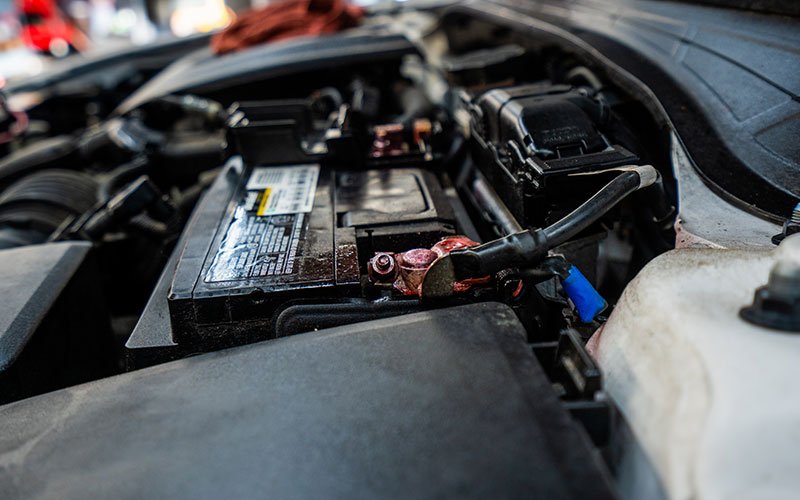
An alternator is the main component of your car that powers the system.
The battery quickly depletes and the car ultimately stops running if the alternator isn’t working properly.
How the Alternator Works
The mechanical energy of the engine is converted into electrical energy via the alternator.
This electricity powers:
- Headlights
- Dashboard electronics
- Climate control systems
- Charging battery
The alternator of your car continuously produces electricity while the engine is running.
Common Causes of Alternator Failure
Alternators can fail for diverse reasons:
- Internal bearings that are worn out
- Voltage regulators with damage
- Drive belts that are broken
- Wear on electrical components
Over time, these problems diminish the alternator’s ability to generate power.
Solution
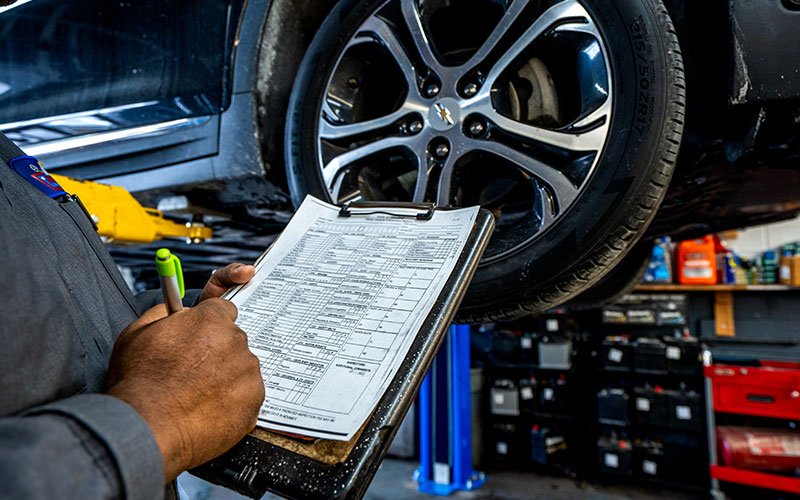
Routine vehicle examination allows technicians to detect early alternator issues.
Preventive maintenance includes:
- Testing of electrical system
- Drive belt scrutiny
- Checks for voltage regulatio
Conclusion
Drivers can identify early warning signs of electrical problems after understanding how the alternator works.
The alternator will continue to provide constant energy for the entire vehicle if it is properly sustained on a routine basis.